Ceramic veneers
A veneer is a thin shell of ceramic bonded to the front surface of a tooth to change its shape, colour, alignment or proportions. Unlike a crown, which encircles the whole tooth, a veneer covers only the visible face — so far less natural tooth is removed. The quality of a veneer case is decided long before the ceramic exists: by how the shape is planned, how conservatively the teeth are prepared, and whether the bite has been assessed properly.
Delivered by: Dentist Saliha Yıldırım
Who it suits
- Discoloured teeth that do not respond to whitening, including internal staining
- Chipped, worn or slightly irregular front teeth
- Small gaps between teeth where orthodontics is not wanted
- Mildly crooked teeth where the underlying alignment is acceptable
- Teeth with poor proportions or an uneven edge line
- Adults with healthy gums and no active decay
Who it does not suit
- Teeth with extensive decay or large existing fillings — these usually need a crown, not a veneer
- Significantly crooked teeth, where orthodontics gives a better and more conservative result
- Untreated gum disease
- Severe untreated grinding, which fractures veneers
- Patients unwilling to accept any removal of enamel, unless a prepless design is genuinely possible
- Teeth that have had root canal treatment and are structurally weakened
How the treatment works
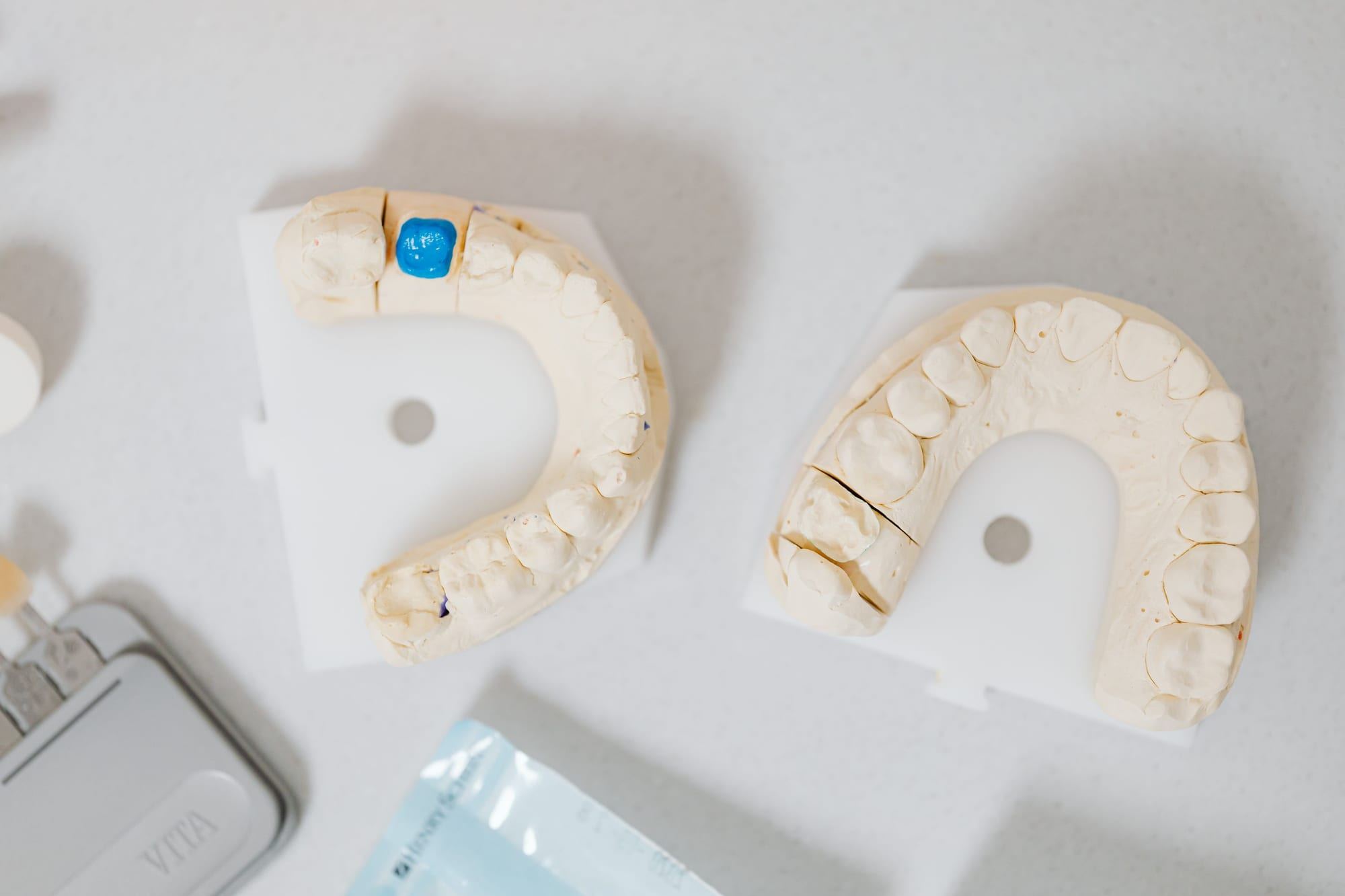
The teeth are assessed and photographed, and the intended result is designed before anything is touched — usually with a trial arrangement you can see and approve. A thin layer of enamel is removed where required, an impression or digital scan is taken, and the veneers are made in the laboratory. At the fitting appointment they are tried in, checked for shade and fit, and bonded. The bond to enamel is what gives a veneer its strength, which is another reason to keep as much enamel as possible.
Treatment stages
- 01
Assessment and design
Photographs, examination of gum health and bite, and a discussion of what you actually want to change. Cases where the honest answer is whitening or orthodontics are identified here.
- 02
Trial arrangement
The proposed shape is previewed before any tooth is prepared, so that the design is agreed rather than discovered at the fitting.
- 03
Preparation
Minimal enamel reduction under local anaesthetic where needed, followed by a digital scan or impression. Temporary veneers are fitted.
- 04
Laboratory fabrication
The veneers are made to the agreed shape and shade — several days of laboratory work between appointments.
- 05
Try-in and bonding
Fit, shade and appearance are checked before anything is bonded permanently. Once you approve, they are bonded and the bite is adjusted.
Materials and options
Lithium disilicate (e.max)
A glass-ceramic with excellent translucency and strength, and the usual choice where the veneer must look convincing in the front of the mouth.
Feldspathic and laminate veneers
Very thin, hand-layered ceramic. The most natural optical result and the most conservative preparation, though technically demanding to make and to fit.
Zirconia veneers
Stronger but less translucent. Considered where strength matters more than the last degree of optical realism, or where an underlying discolouration needs masking.
Composite bonding
Not ceramic, but worth naming as the reversible alternative: built directly onto the tooth in one appointment, at lower cost and with no laboratory stage.
Recovery
There is no real recovery period. Some sensitivity to hot and cold for a few days after preparation and bonding is normal. The gums may be tender where veneers meet them. Most people eat normally the same day, avoiding anything very hard for the first couple of days.
Aftercare
Veneers do not decay, but the tooth underneath them does, and the margin where ceramic meets tooth is where problems start. Brush and floss normally. Avoid biting nails, pens or packaging with your front teeth. If you grind at night, wear the guard — it is the difference between a veneer that lasts fifteen years and one that fractures in three.
What affects the cost
- Number of teeth being treated
- The ceramic system chosen
- Whether a trial arrangement or diagnostic wax-up stage is included
- Whether preparatory treatment such as whitening, gum treatment or fillings is needed first
- Whether existing crowns or old restorations need replacing to match
Travel considerations
Veneers are one of the treatments that fits a single trip well, because there is no biological healing period to wait through — only laboratory time. Plan on about a week in Ankara, with appointments spread across it rather than clustered, so that shade and fit can be checked without rushing. Booking your return flight for the day after the final fitting rather than the same evening is worth the extra night.
Alternatives
Composite bonding
Direct, same-day, considerably less expensive and reversible. Shorter lifespan and more prone to staining, but far less committing.
Teeth whitening
Where colour is the only complaint, whitening is the smaller, cheaper and entirely reversible answer, and should be tried first.
Orthodontics
Where the real problem is position rather than shape, moving teeth preserves them. Slower, but nothing is removed.
Crowns
Where a tooth is heavily filled or structurally compromised, a crown is the appropriate restoration and a veneer is not.
Risks and limitations
- Sensitivity after preparation, usually temporary but occasionally persistent
- Chipping or fracture, particularly with grinding or biting hard objects
- Debonding, requiring re-bonding or replacement
- Decay at the margin where the veneer meets the tooth if cleaning is poor
- Gum irritation where the margin sits close to the gum line
- Colour mismatch against adjacent natural teeth over time, since ceramic does not stain but natural teeth do
- Irreversibility: once enamel is removed, the tooth will always need a covering of some kind
Common questions
How much tooth is removed for a veneer?
Typically a fraction of a millimetre of enamel from the front surface, though it depends on the tooth’s existing position and the design. Where a tooth is already slightly inset, a prepless design may remove nothing at all. Any practice proposing to reduce your teeth substantially is planning crowns, and should say so.
How long do veneers last?
Well-made ceramic veneers commonly last ten to fifteen years or more. Grinding, biting hard objects and poor gum health shorten that considerably. They are not permanent, and replacement at some point should be part of your expectations.
Can veneers be removed later?
The veneer can be removed, but the enamel that was taken to fit it does not come back. Where enamel was reduced, the tooth will always need some form of covering. This is why the conservative option is worth taking seriously before the ceramic one.
Will they look artificial?
That is a design decision, not a property of the material. Shade, translucency, shape and edge line are agreed with you at the trial stage, before anything is made. Veneers look artificial when they are chosen too white, too uniform and too square for the face they sit in.
How many veneers do I need?
As many as it takes for the result to look coherent — usually the teeth visible when you smile, which is commonly six to ten in the upper jaw. Treating fewer is possible but can leave a visible transition. The number is agreed at the design stage, from your own photographs.
Can I have veneers in one trip?
Yes. Veneers need laboratory time, not healing time, so a single stay of roughly a week normally covers preparation, fabrication and fitting.
Start with the assessment.
Send your photographs and a short description of what is bothering you. You will receive a first assessment and, where possible, a written preliminary plan — before any question of travel comes up.
Free of charge · No obligation · German, English or Turkish